How Kiama’s Coastal Climate Affects Your Air Conditioner & What You Can Do
Coastal living has a rhythm of its own. Sea air moves through open windows, humidity shifts quickly and weather conditions can change without much notice. While these elements shape a relaxed lifestyle, they also influence how household systems behave behind the scenes. Air conditioners are particularly exposed, working quietly while dealing with moisture, salt particles and fluctuating temperatures.
Many homeowners are unaware that these environmental factors can influence how air conditioning systems work over time, often without obvious warning signs. Understanding how coastal conditions interact with
air conditioning in Kiama makes it easier to manage performance, plan
maintenance and reduce unnecessary strain as the system ages.
Salt Air & its Effect on Outdoor Components
Salt carried in coastal air settles easily on exposed surfaces, especially outdoor air conditioning units. This fine residue can gradually affect metal components and airflow around the system.
Common impacts include:
- Surface breakdown on external panels & fasteners
- Buildup on condenser coils that interferes with heat transfer
- Reduced airflow around outdoor units over time
Regular surface cleaning and limiting direct exposure where possible can help slow this process.
Humidity & Moisture Exposure Inside the System
Higher humidity levels mean air conditioners must work harder to manage moisture as well as temperature. Over time, this added demand can influence internal components.
Moisture-related effects may involve:
- Filters retaining moisture & collecting particles more quickly
- Condensation forming inside indoor units or ductwork
- Electrical parts exposed to ongoing damp conditions
Clear drainage pathways and routine filter checks help manage moisture accumulation.
Temperature Swings & System Workload
Coastal environments often experience noticeable temperature changes within short periods. These swings can increase how frequently an air conditioner cycles on and off.
This pattern can contribute to:
- Greater load on compressors during repeated starts
- Uneven indoor temperatures
- Increased energy use during rapid changes
Systems chosen with local climate behaviour in mind are often better suited to handle these shifts.
Airborne Debris & Filter Strain
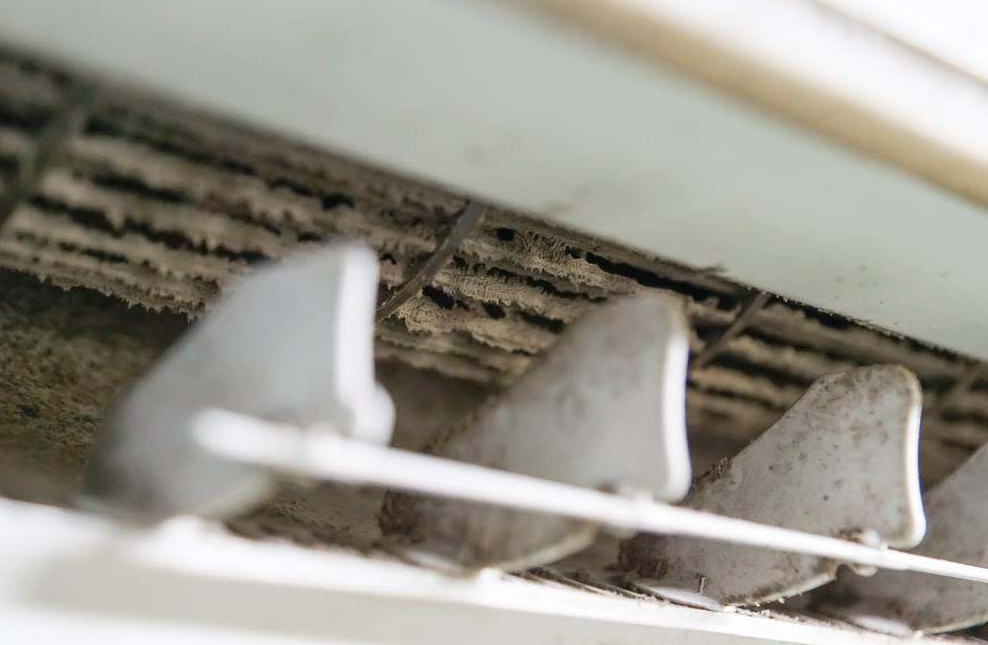
Sea breezes carry more than just moisture. Fine sand, organic matter and airborne debris can enter air conditioning systems and collect in filters.
Over time this may lead to:
- Restricted airflow caused by clogged filters
- Added load on fans & internal motors
- Declining indoor air quality
Regular filter inspection and replacement supports stable airflow and balanced operation.
Electrical Exposure in Coastal Environments
Moist air can interact with electrical components in subtle ways. Over extended periods, terminals and connections may be affected, particularly where ventilation is limited.
Possible outcomes include:
- Surface corrosion on exposed connections
- Intermittent electrical behaviour
- Reduced reliability during periods of high humidity
Periodic inspections allow these areas to be reviewed before issues escalate.
The Importance of Correct Unit Placement
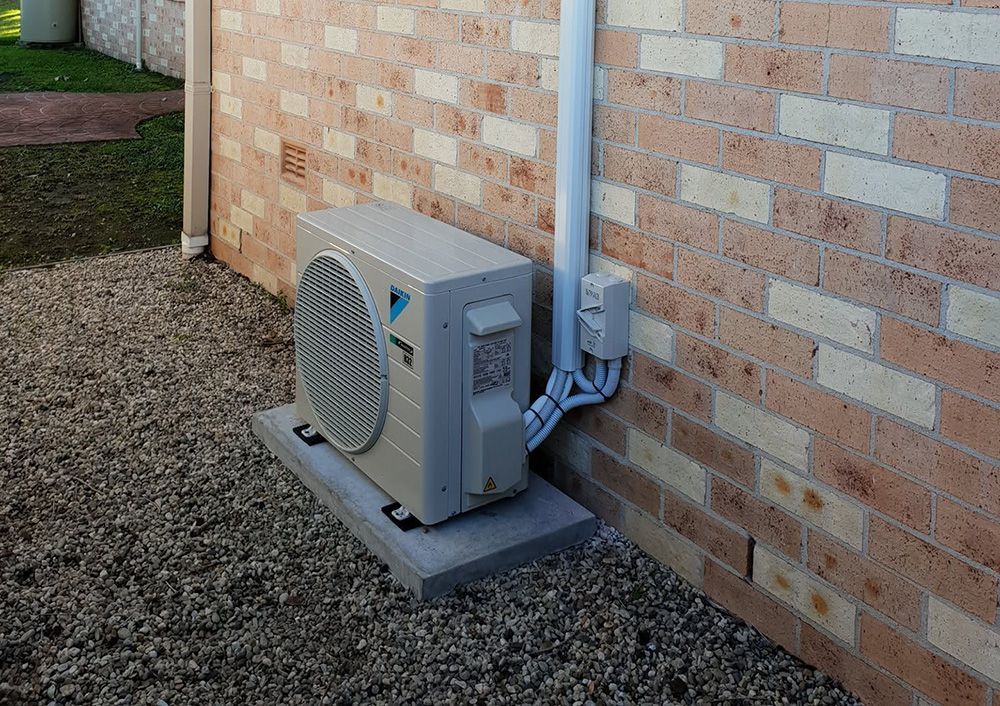
Where an air conditioning system is positioned plays a key role in how it responds to coastal conditions. Placement that does not account for airflow or exposure can increase environmental stress.
Thoughtful positioning can help:
- Limit direct exposure to prevailing sea air
- Allow moisture to drain freely after rain
- Improve airflow around outdoor components
Installation planning that considers surroundings supports steadier operation.
Materials & Coatings Designed for Coastal Use
Some air conditioning components are manufactured with finishes intended to slow surface degradation in humid or salty air. While no material is immune, certain options are more suitable for coastal settings.
These features may include:
- Protective coatings on coils
- Weather-resistant external casings
- Fixings designed for humid conditions
Discussing material options during selection can influence how a system ages over time.
Ongoing Maintenance Habits that Support Longevity
Consistent care is one of the most practical ways to manage environmental impact. Small, routine actions can help reduce unexpected performance changes.
Helpful habits include:
- Keeping outdoor units clear of leaves & debris
- Monitoring airflow & unusual noises
- Arranging periodic system checks
Maintenance focuses on observation and early attention rather than reactive repairs.
Installation Choices that Influence Long-term Performance
How an air conditioning system is installed has a lasting influence on how it responds to coastal conditions. Even a well-selected unit can experience avoidable strain if installation decisions do not consider airflow, drainage, and exposure.
Installation factors that can affect longevity include:
- Adequate clearance around outdoor units to support airflow
- Elevation that prevents pooling water after rain or condensation
- Secure mounting that reduces vibration during strong winds
These considerations help limit ongoing stress on components operating in a demanding environment.
Older Homes & Hidden Compatibility Challenges
Many coastal homes were built before modern climate control systems became common. As a result, electrical capacity, wall construction and airflow pathways may not align easily with newer air conditioners.
Common challenges in older properties include:
- Limited space for indoor units or ducting
- Electrical systems requiring assessment before upgrades
- Insulation gaps that increase heating & cooling demand
Addressing these factors early allows systems to operate within intended limits rather than compensating for structural constraints.
Seasonal Preparation & Off-peak Attention
Air conditioners often receive attention only during periods of extreme temperature. Quieter seasons offer an opportunity to observe performance without immediate comfort pressures.
Seasonal attention may involve:
- Checking drainage before humid conditions return
- Cleaning outdoor units after periods of wind or rain
- Reviewing airflow as household usage patterns change
This approach supports steady operation rather than reactive fixes.
Balancing Comfort with System Care
Coastal lifestyles often encourage open windows, sea breezes and flexible indoor environments. While these habits have benefits, they can influence how hard an air conditioner works to maintain stable conditions.
Simple adjustments that support balance include:
- Closing windows while cooling or heating is active
- Adjusting settings to suit occupied areas
- Paying attention to indoor humidity as well as temperature
These habits support consistent performance without placing unnecessary demand on the system.
Get in Touch
At
Jervis Bay Air Conditioning, we work with homeowners and property investors managing
air conditioning in Kiama, including
air conditioning installation in Kiama and considerations around air conditioner in Kiama’s coastal conditions. If you would like to discuss how local environmental factors may influence your system, or if you are planning an upgrade or replacement, visit our website and
contact us to start the conversation.