Common Causes of Air Conditioning Odours & How to Address Them
An air conditioner should make a home feel more comfortable, not fill it with an unpleasant smell whenever it starts. Strange odours can develop for several reasons, ranging from dust and trapped moisture to mould growth or electrical problems. Understanding the common causes of air conditioning odours can help homeowners recognise when simple maintenance may solve the issue and when professional attention is the safer option. Paying attention to when the smell appears, what it resembles and whether system performance has changed can provide useful clues about what is happening inside the unit. Early attention can also make it easier to identify the source before the smell becomes more persistent.
Why Does an Air Conditioner Develop Unpleasant Odours?
Air conditioners circulate large volumes of indoor air while also removing heat and moisture. Over time, dust, debris, moisture and other contaminants can accumulate on filters, coils, drain components and internal surfaces. When the system switches on, air passing across these areas may carry noticeable smells into the room. Long periods without use can also allow dust or moisture to settle inside the unit, particularly when routine maintenance has been delayed.
Several factors can contribute to developing odours:
- Dirty filters can trap dust, pet hair and other airborne particles.
- Moisture around coils or drainage components can encourage microbial growth.
- Debris inside indoor or outdoor components may create stale or unusual smells.
Identifying where an odour originates is usually the first step towards choosing an appropriate cleaning, servicing or repair approach.
What Causes a Musty Smell When the System Is Running?
A musty smell often points to moisture somewhere within or around the air conditioning system. Cooling naturally creates condensation, which should drain away through the system correctly. If drainage becomes restricted or internal components stay damp for extended periods, stale odours can develop and become noticeable when airflow carries them through the home. In some cases, a musty smell may become stronger after the system has been switched off for a while and then restarted.
Areas worth checking when a musty smell appears include:
- Filters that are damp, heavily soiled or overdue for cleaning or replacement.
- Drain pans and drainage lines where water is not clearing properly.
- Indoor coils and surrounding components where moisture can linger.
Persistent musty smells deserve attention because simply masking the odour will not address the moisture or contamination responsible for it.
Can Mould & Mildew Grow Inside an Air Conditioning System?
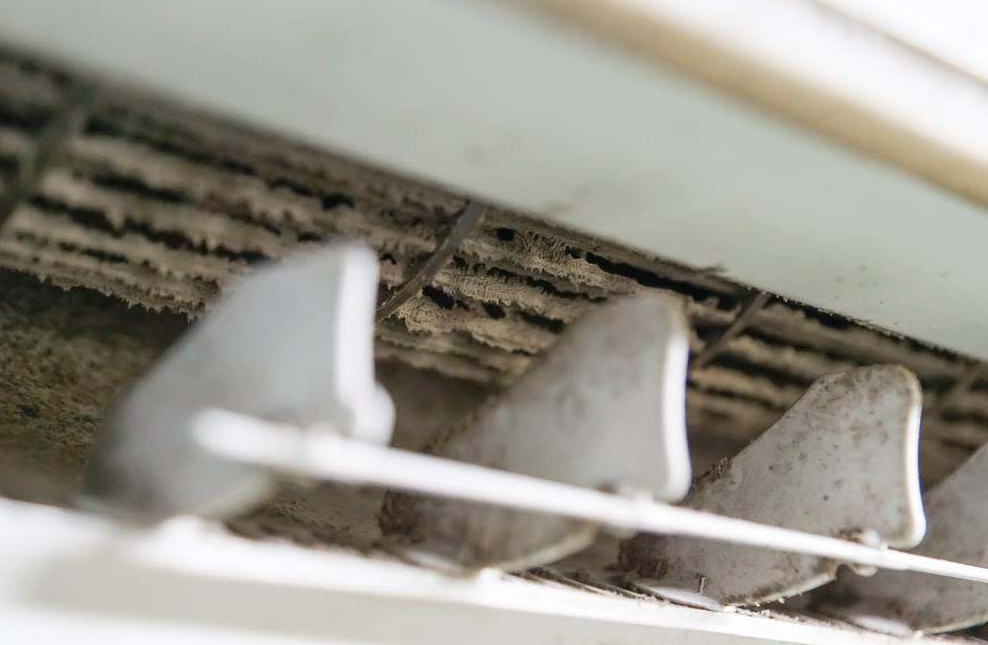
Mould and mildew favour damp environments, making poorly drained or persistently moist air conditioning components potential places for growth. Dirt and organic particles can provide additional material for microorganisms to collect on. During air conditioning repair, Nowra homeowners may need internal components inspected if smells repeatedly return despite routine filter maintenance. Growth can sometimes occur deeper inside the unit, where it is not visible during basic household cleaning.
Signs that further investigation may be worthwhile include:
- A musty or earthy smell that returns shortly after cleaning accessible filters.
- Visible discolouration or residue around vents or accessible internal surfaces.
- Ongoing moisture, dripping or drainage problems around the indoor unit.
Because contamination can occur in parts of the system that are difficult to access safely, professional cleaning may be necessary when the source extends beyond routine homeowner maintenance.
Other Common Odours & What They Indicate
Not every unusual smell is caused by mould or trapped moisture. Some of the common causes of air conditioning odours involve dust, overheating components, blocked drainage or material that has entered the system. The character of the smell can provide a useful indication of what should be inspected, although unusual electrical or burning odours should always be taken seriously. Changes in sound, airflow or cooling performance at the same time may provide further clues about the underlying fault.
Different smells may suggest different problems:
- A dusty smell after a long period of inactivity may come from accumulated particles.
- A burning or electrical smell can indicate overheating wiring, motors or other components.
- A sour or stale smell may be associated with drainage issues or contamination.
If an odour is strong, unfamiliar or accompanied by unusual noises or reduced performance, switching the system off until it can be assessed may help prevent a developing fault from becoming worse.
When Cleaning Is Enough vs When to Call a Technician
Some smells can be addressed through basic maintenance, particularly when the cause is a dirty accessible filter or dust accumulated during a period of non-use. However, recurring smells, drainage problems and electrical odours require a more thorough approach. A technician servicing air conditioning in Nowra can inspect components that homeowners may not be able to reach or evaluate safely. This can also help determine whether the smell is linked to a minor maintenance issue or a developing mechanical problem.
Professional attention may be appropriate when:
- The smell returns quickly after filters and accessible areas have been cleaned.
- Water is leaking, drainage appears blocked or moisture is collecting around the unit.
- Burning, electrical or unusually strong chemical smells develop during operation.
Knowing the difference between routine maintenance and a problem requiring technical diagnosis can help protect both system performance and household comfort.
Preventing Odours Going Forward
Preventing unpleasant smells usually comes down to regular maintenance and dealing with moisture or contamination before it becomes established. Filters should be cleaned or replaced at the intervals recommended for the system, while drainage and indoor components benefit from periodic inspection. Systems that operate frequently may need attention more often than units used only during part of the year. Keeping the area around indoor and outdoor units clear can also support more consistent airflow and easier servicing.
A few maintenance habits can reduce the likelihood of recurring odours:
- Keep filters clean and follow the manufacturer’s recommended maintenance schedule.
- Have drainage components checked if water is slow to clear or begins leaking.
- Arrange periodic servicing so coils and internal components can be inspected and cleaned.
Consistent maintenance can help keep airflow fresher while also giving developing faults a better chance of being identified before they affect everyday operation.
Keeping Your System Fresh & Comfortable
Air conditioning smells should not simply be accepted as part of running the system. Recognising the common causes of air conditioning odours can make it easier to determine whether the problem is minor maintenance or a sign that internal components need professional attention. Addressing recurring smells promptly can also make it easier to maintain reliable performance and a more comfortable indoor environment.
We at Jervis Bay Air Conditioning help homeowners in Nowra and surrounding suburbs with air conditioning servicing, cleaning and repairs. If an odour continues to return, your system is leaking or you notice an electrical or burning smell,
contact us to arrange an inspection and find the source of the problem.