What Are The Warning Signs Of Refrigerant Issues In An Air Conditioner?
An air conditioner that has stopped cooling properly is one of the more frustrating home maintenance problems — particularly in the middle of a Nowra summer. One of the more common causes is a refrigerant issue, and the challenge is that the early warning signs are easy to miss or attribute to something else. Catching them early makes a significant difference to both the repair cost and the lifespan of the unit.
What Is Refrigerant And Why Does It Matter?
Refrigerant is the chemical compound that makes cooling possible in an air conditioner. It circulates continuously through the system, changing between liquid and gas states as it absorbs heat from inside your home and releases it outside. Without the correct amount of refrigerant operating at the correct pressure, the cooling cycle cannot function properly.
A common misconception is that refrigerant is consumed over time like fuel. In a correctly functioning system, the refrigerant charge remains constant — it cycles continuously without being used up. When refrigerant levels drop, it is almost always because there is a leak somewhere in the system. Topping up the charge without finding and repairing the leak is a temporary fix that will need to be repeated.
How Refrigerant Powers The Cooling Cycle
Understanding how refrigerant works helps explain why a leak causes such a range of symptoms. The cycle involves four main stages:
- The refrigerant absorbs heat from the indoor air as it passes over the evaporator coil, causing the refrigerant to evaporate from liquid to gas
- The compressor pressurises that gas and moves it to the outdoor unit
- The condenser coil releases the heat to the outside air as the refrigerant condenses back to liquid
- The expansion valve reduces the pressure before the refrigerant returns to the evaporator coil to begin again
When refrigerant levels are low, the system cannot absorb or transfer heat effectively at any stage of this cycle. The result is reduced cooling output, increased strain on the compressor, and a range of secondary symptoms that develop as the system works harder to compensate.
Common Warning Signs Of A Refrigerant Leak
Refrigerant issues tend to develop gradually, which is why multiple symptoms often appear together before the problem becomes obvious. The most consistent warning signs include:
- Warm or insufficiently cool air from the indoor unit even when the system has been running for an extended period
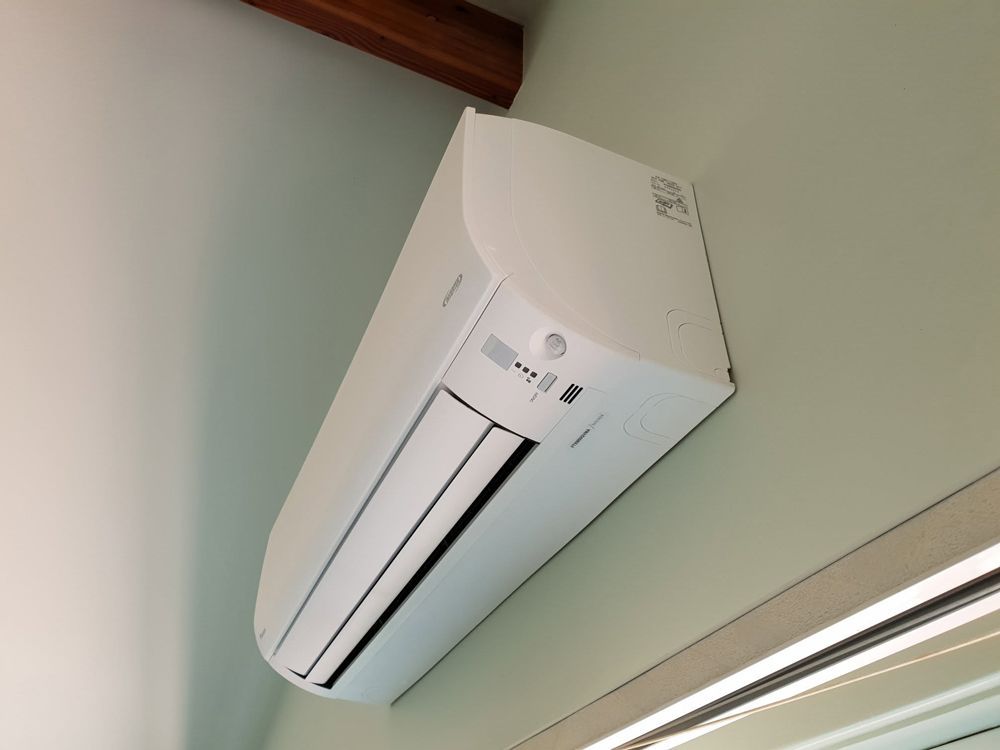
- Ice forming on the evaporator coil or on the refrigerant lines near the indoor unit — a sign that the low refrigerant pressure is causing the coil to drop below freezing
- A hissing or bubbling sound from the indoor or outdoor unit, which can indicate refrigerant escaping through a crack or loose fitting
- Longer run times as the system works harder to reach the set temperature with reduced cooling capacity
- Higher than usual electricity bills without any change in usage patterns or weather conditions
- Humidity levels that feel higher than normal indoors, because the system is no longer removing moisture from the air as effectively
None of these symptoms is exclusive to a refrigerant problem, but when two or more appear together — particularly warm air combined with ice on the coil or increased bills — a refrigerant issue is a likely cause worth investigating.
Why Is My Air Conditioner Not Cooling Properly?
Insufficient cooling is the symptom that most homeowners notice first, but it has several possible causes beyond a refrigerant leak. A dirty filter restricting airflow, a blocked condenser unit, a failing compressor or simply a system that is undersized for the space can all produce similar results.
What distinguishes a refrigerant issue is the combination of reduced cooling with other symptoms. A dirty filter will cause reduced airflow and may cause the unit to work harder, but it will not cause ice to form on the coil or produce a hissing sound. A refrigerant leak tends to produce a more pronounced drop in cooling performance than a dirty filter, and the system often cycles on and off more frequently as it attempts to reach a temperature it cannot achieve.
If the system has lost cooling capacity gradually over several weeks or months rather than suddenly, a slow
refrigerant leak is a more likely cause than a mechanical failure, which typically produces a more abrupt change.
Ice Buildup, Hissing Sounds And Other Red Flags
Ice forming on the evaporator coil deserves specific attention because it is one of the more counter-intuitive warning signs. When refrigerant pressure drops, the evaporator coil temperature falls below the dew point of the surrounding air, causing moisture to freeze on the coil surface. The ice then insulates the coil and reduces its ability to absorb heat — making the cooling problem worse and potentially blocking airflow through the unit entirely.
If you notice ice on the indoor unit or on the copper pipes leading to it, switching the system off and allowing it to defrost before calling a technician is the appropriate response. Running the system with a frozen coil causes additional strain on the compressor and can lead to compressor damage, which is the most expensive component in the system to replace.
The hissing or bubbling sound associated with a refrigerant leak is caused by refrigerant escaping through a breach in the system under pressure. It is not always audible — small leaks may produce no sound at all — but when it is present it is a clear indicator that the system needs professional attention promptly.
Other red flags worth noting:
- A sweet or faintly chemical smell near the indoor unit, which some refrigerants produce when leaking
- Oil staining around fittings or connections on the refrigerant lines, which can indicate a leak point
- The system reaching the set temperature initially but failing to maintain it as the session continues
Why Refrigerant Issues Lead To Higher Energy Bills
When refrigerant levels are low, the system operates less efficiently at every stage of the cooling cycle. The compressor runs for longer periods attempting to achieve the set temperature. The condenser and evaporator coils cannot transfer heat at their designed rate. The system draws more power for a reduced cooling output.
The relationship between refrigerant level and energy consumption is direct: even a partial loss of refrigerant charge increases the energy required to produce a given amount of cooling. In practical terms, this means the system may appear to be functioning — it is still blowing air, it is still cycling — while quietly drawing significantly more power than it should. For homeowners who notice an unexplained increase in electricity costs over summer without a change in usage patterns, an underperforming air conditioning system is one of the first things worth checking.
Regular
air conditioning maintenance that includes a refrigerant pressure check catches this type of efficiency loss before it becomes significant.
The benefits of regular air conditioner servicing extend beyond preventing breakdowns — they include maintaining the efficiency that keeps running costs where they should be.
What To Do If You Suspect A Refrigerant Problem
If one or more of the warning signs above apply to your system, a few steps are worth taking before calling a technician:
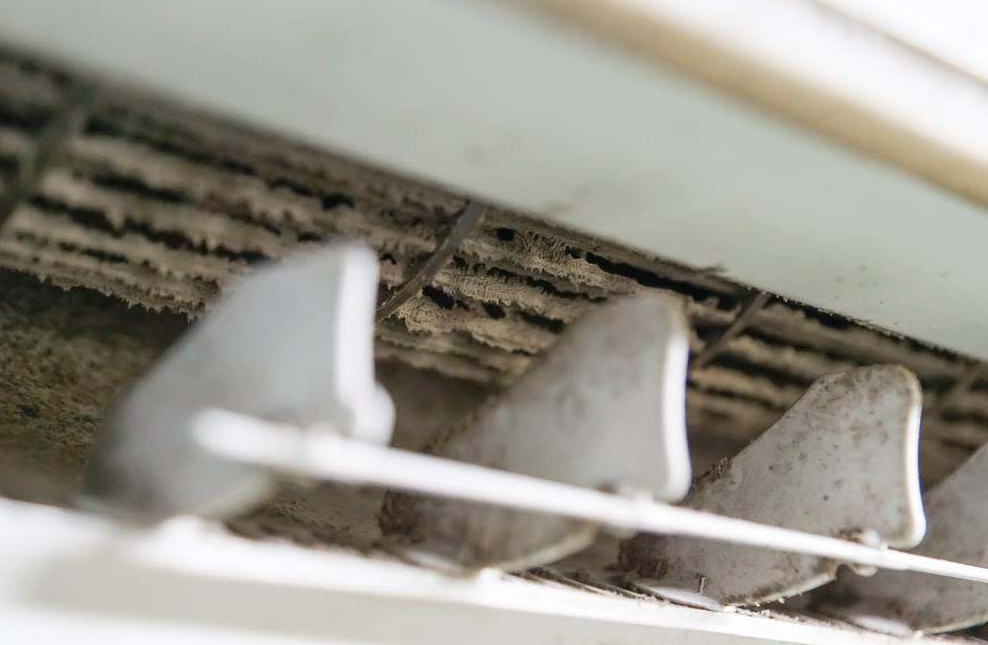
- Check and clean the air filter — a heavily blocked filter can mimic some refrigerant symptoms and is worth ruling out first
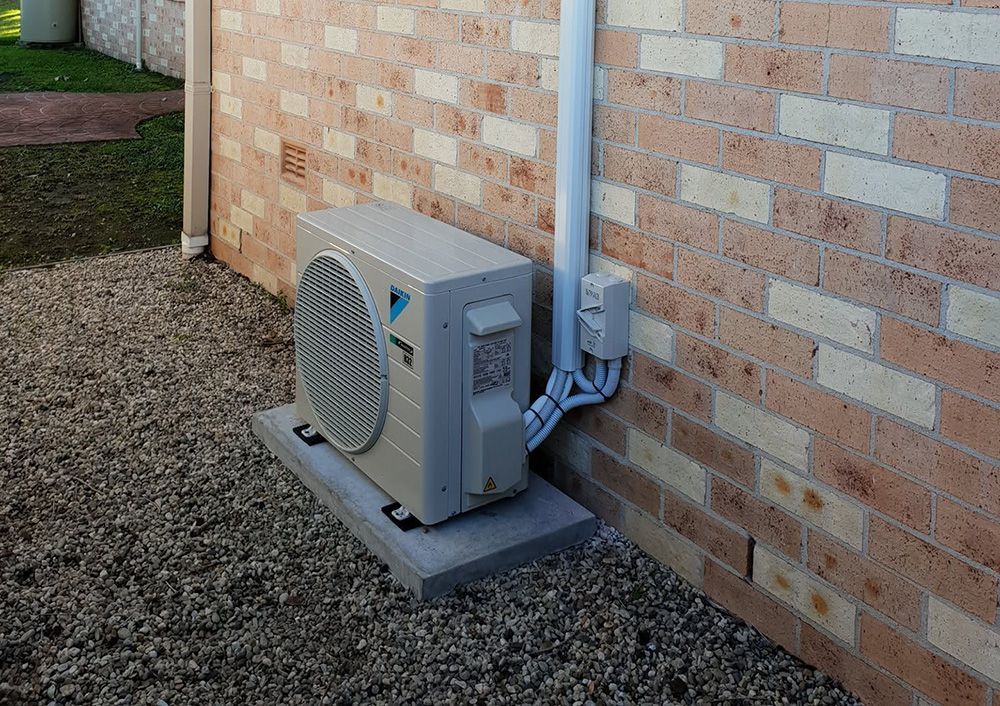
- Check that the outdoor unit is not obstructed by debris, vegetation or objects blocking airflow to the condenser
- Check that all vents inside are open and not blocked by furniture
- If ice is visible on the indoor unit, switch the system off and allow it to defrost fully before restarting
If these steps do not resolve the issue, or if the symptoms include hissing sounds, visible ice or a clear drop in cooling performance, the system needs professional assessment. Refrigerant handling in Australia is regulated — only licensed refrigeration technicians are authorised to handle, recover or recharge refrigerants. Attempting to address a refrigerant issue without the appropriate licence is not only ineffective, it is illegal.
When To Call A Professional
Some situations warrant calling a technician without attempting any DIY steps first:
- The system is producing a hissing or bubbling sound
- Ice is visible on the indoor unit or refrigerant lines and returns after defrosting
- The system is running continuously without reaching the set temperature
- There is a chemical smell near the unit
- Electricity bills have increased significantly without an obvious explanation
For homeowners in Nowra and surrounding areas, air conditioning in Nowra from Jervis Bay Air Conditioning includes refrigerant diagnostics and repair carried out by licensed technicians. If your system is showing any of the warning signs above, contact us to arrange an inspection before the problem progresses further.