Is A Multi-split Air Conditioning System Right For Your Ulladulla Home?
If you're cooling more than one room and you're tired of managing multiple separate units, or you're weighing up whether to go ducted, a multi-split system might be exactly what your home needs. As a guide to
multi split air conditioning in Ulladulla homeowners can use to compare their options, this article walks through how multi-split systems work, how they stack up against single splits and
ducted systems, and which property types suit them most.
What Is a Multi-Split Air Conditioning System?
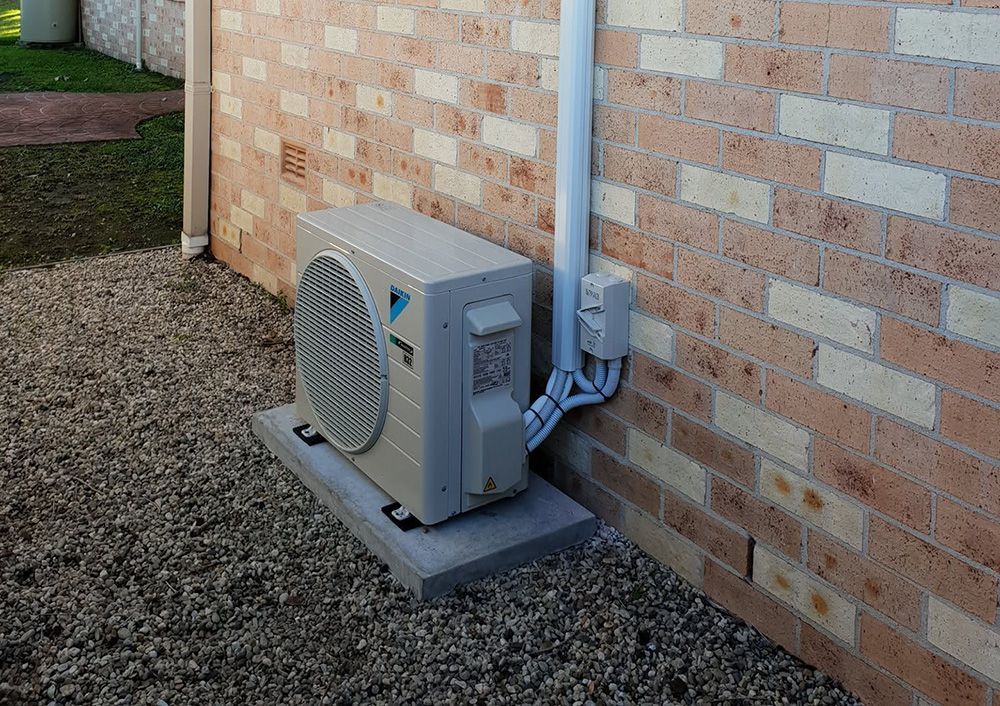
A multi-split system connects multiple indoor units to a single outdoor condenser unit. Instead of each room having its own dedicated outdoor unit, all the indoor heads share one external unit installed outside the home.
Each indoor unit operates independently, meaning you can cool the living room while leaving the bedrooms off, or run different temperatures in different zones at the same time. Systems can typically accommodate anywhere from two to five or more indoor units depending on the capacity of the outdoor unit selected.
Key characteristics of a multi-split system include:
- One outdoor unit serving multiple indoor heads
- Independent temperature and mode control per room or zone
- Indoor units available in various types including wall-mounted, ceiling cassette and floor console
- A single refrigerant circuit connecting all indoor units to the outdoor condenser
The result is a cleaner installation with less external equipment on the building, which is particularly relevant for properties where wall or roof space for multiple outdoor units is limited.
Multi-Split vs Single Split: What's the Difference?
A single split system pairs one indoor unit with one outdoor unit. It's the most straightforward air conditioning setup and the right solution for a single room or open-plan space. A multi-split system takes that concept further by connecting multiple indoor units to one shared outdoor unit.
The practical difference becomes clearest when you're cooling two or more rooms. With single split systems, each room requires its own outdoor unit, which means multiple penetrations through the wall, more outdoor units taking up space, and a separate electrical connection and installation for each one.
A multi-split system consolidates that into one outdoor unit, one set of outdoor penetrations and a shared refrigerant circuit. That said, there are trade-offs worth understanding:
- Single splits can be more straightforward to service, as each system is independent
- If the outdoor unit on a multi-split develops a fault, all connected indoor units are affected
- Multi-splits generally cost more upfront than a single split for one room, but less than purchasing multiple single splits for equivalent coverage
- Refrigerant pipe runs from a single outdoor location to multiple rooms can be longer and more complex to install
Neither option is universally better. The right choice depends on how many rooms you need to cool and how the property is laid out.
How Many Rooms Can a Multi-Split System Cool?
The number of rooms a multi-split system can cool depends on the capacity of the outdoor unit and the size of each indoor unit selected. Smaller residential systems typically support two or three indoor heads. Larger units can accommodate four, five or more, making them suitable for homes with several bedrooms, a separate living area or an additional studio space.
It's important not to overload the outdoor unit. Each indoor head draws on the shared capacity of the condenser, so the combined load of all indoor units running simultaneously must sit within what the outdoor unit can handle. An air conditioning installer will calculate this based on:
- The floor area and ceiling height of each room to be cooled
- Insulation quality and window exposure in each space
- Whether all rooms are likely to run simultaneously or in rotation
- The orientation of the home and which rooms receive the most sun
Getting that sizing calculation right during the installation assessment is what determines whether the system performs well across all zones or struggles when multiple rooms are running at once.
Is a Multi-Split More Cost-Effective Than Multiple Single Splits?
This is one of the more common questions homeowners ask when comparing options, and the honest answer is: it depends on how many rooms you're cooling and what matters most to you.
For two rooms, the cost difference between a multi-split and two single splits is often marginal. For three or more rooms, a multi-split typically becomes more cost-effective on installation because you're only purchasing and installing one outdoor unit rather than three separate ones.
Running costs follow a similar logic. A well-sized multi-split system running multiple zones can use less total energy than several independent single split systems running simultaneously, though actual savings depend on usage patterns and the efficiency rating of the units selected. Where the cost comparison shifts is in servicing and longevity:
- A fault with the shared outdoor unit affects all rooms, which can mean greater inconvenience and repair urgency
- Single split systems allow staged replacement, if one unit fails, the others continue operating
- Multi-split installations with longer or more complex pipe runs may cost more to install than a straightforward two-room setup
For most multi-room residential properties, the multi-split delivers solid value, but it's worth getting a specific quote that compares both options for your property before committing.
Which Ulladulla Homes Benefit Most from a Multi-Split Setup?
Not every home is an equal candidate for a multi-split system, but certain property types suit the format particularly well.
Homes with limited outdoor wall or roof space are an obvious fit, a single outdoor unit takes up far less room than three or four individual ones. Properties where internal aesthetics matter, such as renovated beach houses or holiday rentals, also benefit from the cleaner look of a consolidated installation.
Specific property types that tend to suit multi-split systems well include:
- Holiday rental properties where multiple rooms need independent climate control for guests
- Older homes being upgraded from no cooling to a whole-home solution without ducted infrastructure
- Two-storey homes where both floors need cooling but a central ducted system isn't practical
- Homes with open-plan living combined with separate bedrooms requiring individual control
- Properties where the outdoor unit can be positioned centrally to keep pipe runs to each room reasonably short
If a home has extensive ductwork already in place, or if the entire floor plan needs simultaneous cooling, ducted air conditioning may be worth comparing, but for selective room-by-room control, multi-split installations consistently suit this type of property well.
How Does a Multi-Split Handle Ulladulla's Coastal Humidity and Salt Air?
Coastal humidity air conditioning is a genuine consideration in locations like Ulladulla, and it affects both system selection and long-term maintenance. The combination of salt air and high ambient humidity places additional wear on outdoor components, particularly the condenser coil, fan motor and cabinet, compared to inland environments.
Most reputable air conditioning brands manufacture units with coastal or marine-grade options that include additional corrosion protection on the outdoor unit. This typically involves:
- Hydrophilic or epoxy-coated condenser fins that resist salt air corrosion
- Treated or stainless steel components in high-exposure areas of the outdoor cabinet
- Anti-corrosion treatment on refrigerant connections and electrical components
For a multi-split system, this matters more than it would for a single split because you're relying on one outdoor unit to serve the entire system. Selecting a unit with appropriate coastal protection and maintaining it with regular servicing, including coil cleaning, is the practical way to extend its lifespan in a salt air environment.
Positioning also matters. Where possible, the outdoor unit should be sited away from direct ocean-facing exposure, and annual servicing that includes a coil wash is a reasonable baseline for any coastal installation.
Is a Multi-Split System Right for Your Home?
A multi-split system suits homes where two or more rooms need independent climate control, outdoor space for multiple units is limited, and a full ducted installation isn't warranted. It's a practical middle ground between the simplicity of a single split and the whole-home coverage of a ducted system.
It's the right fit if your property matches most of the following:
- You need to cool two or more rooms that don't always need to run simultaneously
- You want individual temperature control per room rather than a single zone
- Your home doesn't have existing ductwork and retrofitting it would be disruptive or cost-prohibitive
- Outdoor space or visual presentation makes multiple outdoor units undesirable
- You're managing a holiday rental and want flexible, room-by-room control for guests
It may not be the right fit if you need every room cooled at the same time consistently, or if your property is large enough that ducted air conditioning would deliver better whole-home coverage for a comparable investment.
The clearest way to answer the question for your specific property is to have an installer assess the layout, calculate the load for each room and give you a side-by-side comparison of multi-split, single split and ducted options.
Talk to a Local Installer About Your Home
We at Jervis Bay Air Conditioning work with homeowners across the Ulladulla area who are making exactly this decision. The South Coast's coastal conditions, like salt air, high summer humidity and the specific demands of holiday rental properties that run hard through peak season all factor into how we approach system selection and installation.
If you're weighing up a multi-split system against other options, we can assess your property, size each zone correctly and give you a straightforward comparison so you can make the right call for your home. Get in touch with our team to arrange a quote or ask any questions about what would suit your setup.