Why Does My Air Conditioner Work Harder in Huskisson? Salt Air, Humidity & What To Do
Living near the coast in Huskisson means your air conditioner faces challenges that inland systems may not experience. Salt-laden air, high humidity and constant moisture exposure can affect cooling performance, increase maintenance needs and contribute to corrosion.
For homeowners looking into air conditioning Huskisson services, understanding these coastal challenges is important. Recognising early warning signs and maintaining your system appropriately can help protect your investment and keep your home comfortable throughout the year.
Why Coastal Living in Huskisson Is Tough on Air Conditioners
Coastal environments expose air conditioning systems to salt, moisture and airborne particles. While these conditions are part of everyday life around Jervis Bay, they can gradually affect components inside and outside your home.
Salt carried by sea breezes settles on metal surfaces, while humidity increases the moisture your system needs to manage. Together, these factors can contribute to corrosion, restricted airflow and reduced cooling efficiency.
For homeowners near the waterfront, coastal air conditioning requires particular attention to equipment placement, cleaning and ongoing maintenance.
Even properties further from the beach can experience coastal exposure, depending on prevailing winds, surrounding vegetation and outdoor equipment placement.
How Salt Air Damages Your AC System
Salt air corrosion occurs when airborne salt deposits accumulate on metal components and attract moisture. Over time, this can accelerate deterioration, particularly where protective finishes have been damaged.
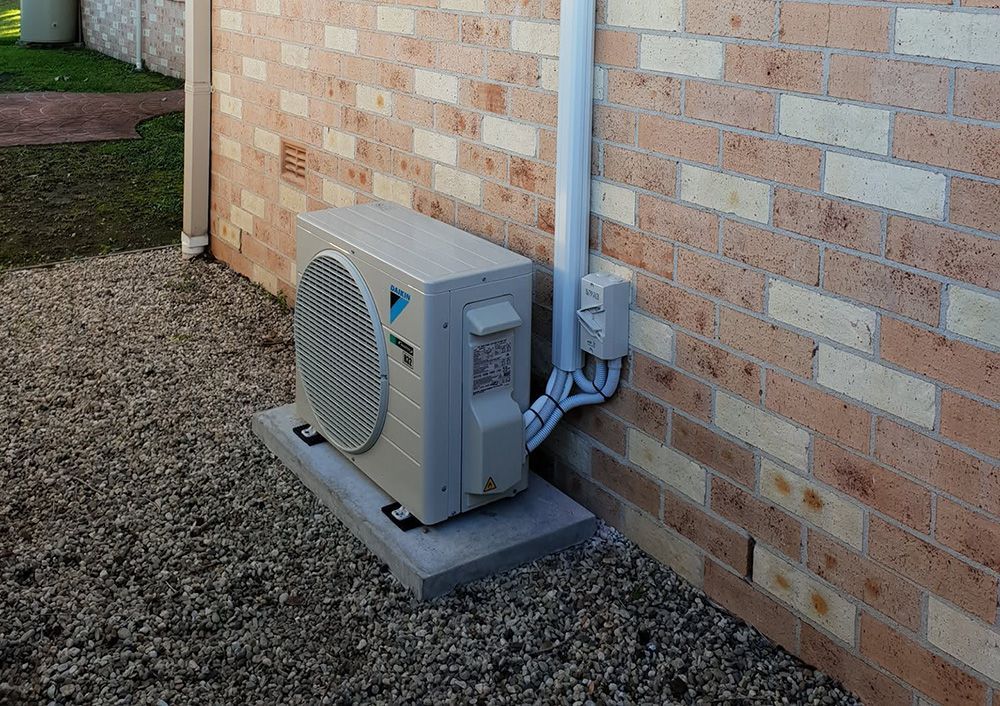
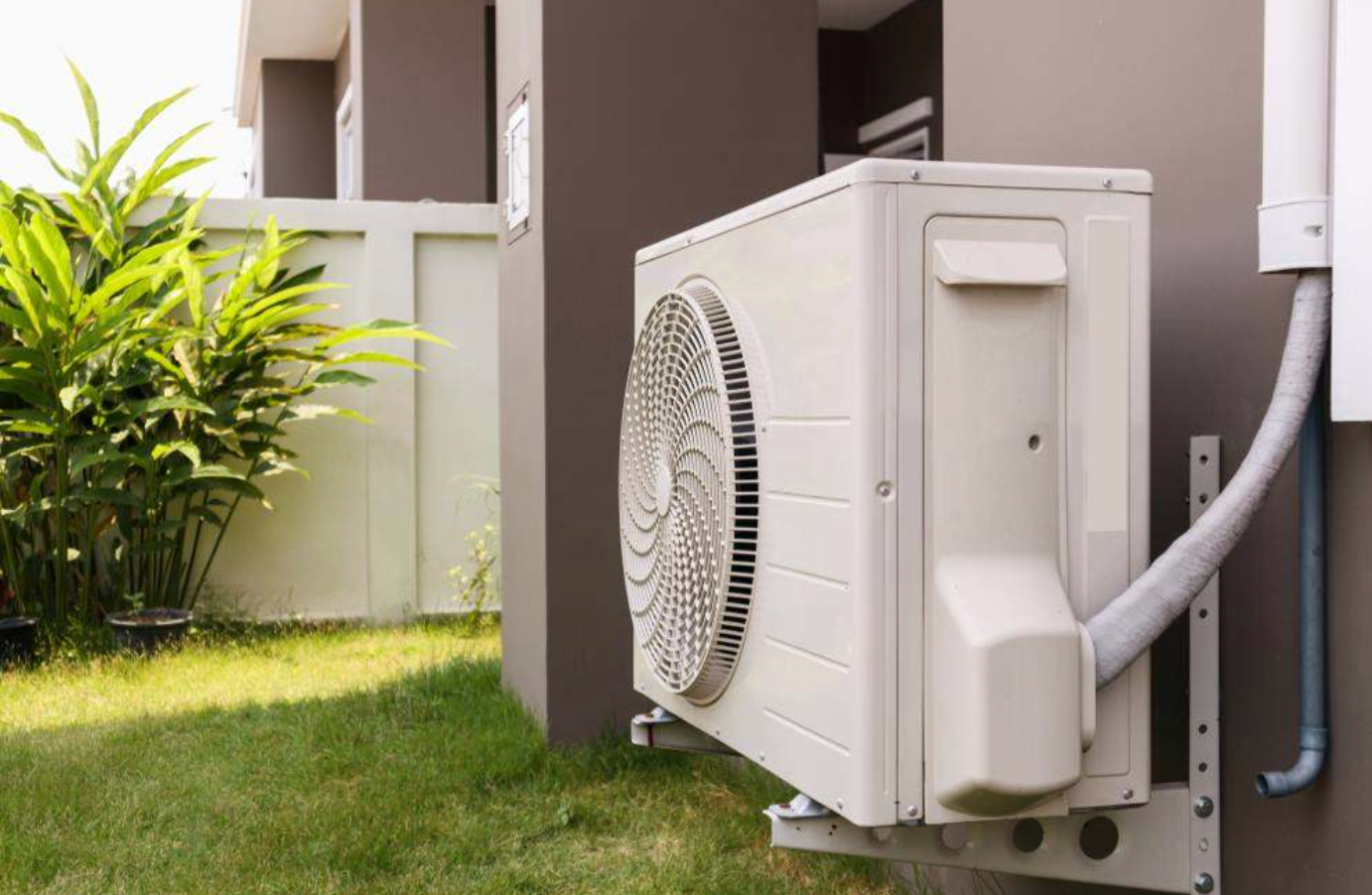
Your outdoor condenser unit is especially vulnerable because it operates outside, facing changing weather conditions throughout the year.
Common areas affected include:
- Condenser coils: Salt deposits and corrosion can affect heat transfer and cooling performance.
- Metal cabinets and brackets: Exposed surfaces may develop rust or deteriorate around fittings.
- Electrical connections: Moisture and corrosion can contribute to unreliable connections.
- Fasteners and mounting hardware: Corrosion may weaken components or make future maintenance difficult.
Corrosion doesn't always cause immediate problems. A system may continue cooling while external components gradually deteriorate.
Regular inspections help identify developing issues before they lead to more extensive repairs.
What Humidity Does to Filters, Coils and Drainage
Humidity makes your air conditioner work harder because the system must remove moisture from indoor air while lowering the temperature.
As warm, humid air passes over the indoor cooling coil, moisture condenses and drains through the condensate system. When filters, coils or drainage components become dirty or obstructed, performance can suffer.
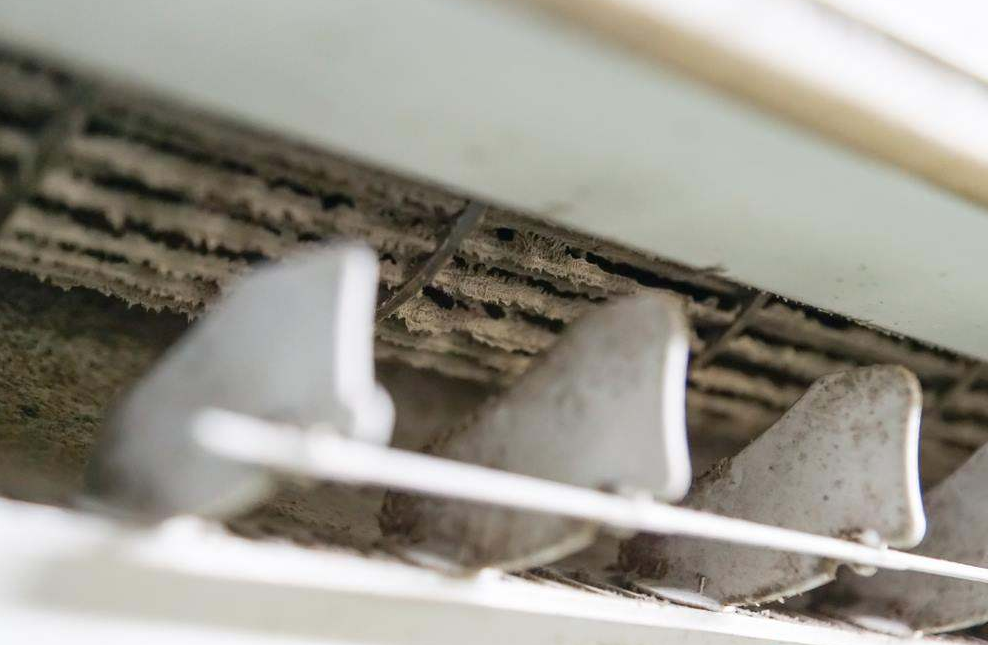
The relationship between humidity and AC filters is particularly important in coastal homes. Dust and airborne particles can accumulate on filters, restricting airflow and reducing cooling efficiency.
Humidity can also contribute to:
- Increased condensation around cooling components
- Blocked condensate drains
- Musty smells associated with damp or contaminated areas
- Longer cooling cycles during humid weather
- Water leaks when drainage systems aren't functioning correctly
A properly maintained system should manage normal condensation effectively. However, persistent moisture problems deserve professional attention.
Signs Salt Air and Humidity Have Affected Your Air Conditioner
Coastal exposure often causes gradual changes rather than sudden breakdowns. Recognising these changes early can help prevent more serious damage.
Watch for the following warning signs:
- Reduced cooling performance: Your air conditioner takes longer to reach the selected temperature or struggles during humid conditions.
- Visible corrosion: Rust, discolouration or deterioration appears around the outdoor cabinet, mounting brackets or accessible metal surfaces.
- Unusual noises: Rattling, buzzing or vibration may indicate loose components, wear or another mechanical issue.
- Water leaks: Moisture appearing around the indoor unit may suggest blocked drainage or condensation problems.
- Musty odours: Persistent unpleasant smells can indicate moisture accumulation or contamination requiring cleaning.
- Higher electricity consumption: An inefficient system may run longer to maintain comfortable temperatures.
Not every symptom is caused by coastal conditions. Low refrigerant levels, electrical faults and mechanical problems can produce similar results.
Our guide to the warning signs of refrigerant issues explains other symptoms worth investigating.
How Often Should You Service Your AC Near the Coast?
Air conditioners exposed to coastal conditions may require servicing more often than the standard annual advice. However, the right maintenance schedule depends on your property's location, installed equipment and frequency of use.
A home directly facing the waterfront may experience greater salt exposure than a sheltered property further inland. Likewise, a holiday rental operating throughout summer may have different maintenance needs from a system used occasionally.
Professional AC servicing near the coast can include checking:
- Outdoor coils for salt deposits and corrosion
- Indoor filters and airflow
- Condensate drainage and moisture accumulation
- Electrical connections and accessible components
- General cooling performance and system operation
Rather than following a fixed schedule, we recommend arranging an assessment to determine an appropriate maintenance plan.
Our air conditioning maintenance Huskisson service page provides further information about local repair and maintenance support.
Can You Get Corrosion-Resistant Air Conditioners for Coastal Homes?
Some air conditioning systems incorporate materials, finishes or protective treatments designed to improve resistance to environmental exposure.
A corrosion-resistant air conditioner may offer advantages for coastal properties, but no system is completely immune to salt-related deterioration. Depending on the manufacturer and equipment, protective features may include treated coils, corrosion-resistant components or specialised cabinet finishes.
An anti-corrosion coil coating may help protect certain metal surfaces from environmental damage. However, suitability depends on the specific system, manufacturer requirements and installation conditions.
It's important not to assume that every model includes the same level of protection.
When considering a replacement, ask about:
- Manufacturer guidance for coastal installations
- Protective treatments and component materials
- Suitable positioning of outdoor equipment
- Maintenance requirements for salt-exposed locations
- Warranty conditions relating to environmental exposure
Professional advice can help you compare suitable options without relying on unsupported claims about coastal performance.
Practical Steps to Protect Your AC From Coastal Conditions
You can't eliminate salt and humidity from a coastal environment, but several practical measures can help reduce unnecessary wear.
1. Keep the outdoor area clear
Remove leaves, vegetation and debris from around your outdoor unit. Maintaining adequate clearance supports airflow and allows technicians to inspect the equipment safely.
2. Clean indoor filters regularly
Follow the manufacturer's cleaning instructions. Clean filters help maintain airflow and reduce the accumulation of dust and airborne particles.
3. Monitor visible corrosion
Check accessible external surfaces for rust, discolouration or deterioration. Avoid opening electrical compartments or attempting repairs yourself.
4. Consider equipment placement
Outdoor units need sufficient ventilation and service access. Where practical, thoughtful positioning may reduce direct exposure to salt-laden winds without restricting airflow.
5. Follow manufacturer cleaning guidance
Some equipment has specific recommendations for cleaning coastal deposits. Avoid pressure washing, harsh chemicals or applying protective coatings without manufacturer approval.
6. Arrange professional inspections
A technician can assess coil condition, drainage, electrical components and overall operation.
These measures support ongoing system care, although they cannot guarantee protection against corrosion.
Holiday Homes and Rentals: What Property Owners Should Know
Holiday properties around Huskisson often experience changing patterns of air conditioner use. A system might sit unused for extended periods before operating frequently during peak holiday periods. This creates additional considerations for property owners and managers. For example, imagine a waterfront holiday rental that remains vacant for several weeks. During that time, salt deposits may continue accumulating on outdoor equipment. When guests arrive during humid weather, the system may need to operate for long periods.
Without routine checks, developing problems might only become noticeable when guests report poor cooling. Property owners can reduce avoidable disruptions by arranging inspections before busy periods, checking filters between stays and responding promptly to reported issues.
Clear operating instructions can also help guests use the equipment appropriately without unnecessarily overworking the system.
Local Coastal AC Care From Jervis Bay Air Conditioning
At Jervis Bay Air Conditioning, we understand the challenges of maintaining cooling systems in coastal environments. Based in Huskisson, we bring over 35 years of industry experience and are an authorised Daikin dealership. We service local communities including Myola, Vincentia and Tomerong.
Whether you're concerned about corrosion, humidity-related problems or declining cooling performance, our team can help assess your system and discuss suitable maintenance or replacement options.
If you're planning a new system, we can also help you explore air conditioning installation options suited to your property.
Protect Your System From Coastal Wear
Salt air and humidity can gradually affect your air conditioner's performance, but early inspections, appropriate maintenance and suitable equipment choices can help manage these risks.
Contact Jervis Bay Air Conditioning to book an assessment and discuss how to care for your system in Huskisson's coastal conditions.
Frequently Asked Questions
Can sea breezes damage an air conditioner if my home isn't beachfront?
Yes. Salt-laden air can travel inland, although exposure varies with wind direction, distance from the water and surrounding buildings. Properties away from the waterfront may still benefit from regular corrosion checks.
Should I turn off my air conditioner during humid weather?
Not necessarily. Air conditioners help manage indoor humidity while cooling your home. If the system struggles to remove moisture or develops unusual condensation, arrange a professional inspection.
Can I remove rust from my outdoor air conditioning unit myself?
You can visually inspect accessible surfaces, but avoid sanding, dismantling or applying treatments without professional guidance. Corrosion may affect components beneath the visible surface, and inappropriate cleaning can damage protective finishes.
Does coastal corrosion affect an air conditioner's warranty?
Warranty coverage depends on the manufacturer, model, installation conditions and maintenance requirements. Some warranties contain exclusions relating to environmental damage. Review the relevant documentation before purchasing.
Is it better to repair or replace a corroded air conditioner?
That depends on the extent of corrosion, affected components, repair costs and overall system condition. A professional assessment can help determine whether repairs are practical or replacement offers a more suitable long-term solution.