Common Causes Of Poor Cooling In Split Systems In Kiama
There’s nothing more frustrating than switching on your split system air conditioner only to find it struggling to cool your space. What should be a reliable source of comfort can quickly become a concern, especially during warmer months when consistent cooling is essential for daily living.
If your system isn’t performing as expected, there’s usually an underlying reason. In many cases, the issue can be traced back to common faults or maintenance oversights rather than a complete system failure. Understanding these causes can help you identify when a simple fix may be enough and when it’s time to look into servicing or
air conditioning installation in Kiama.
Blocked or Dirty Air Filters
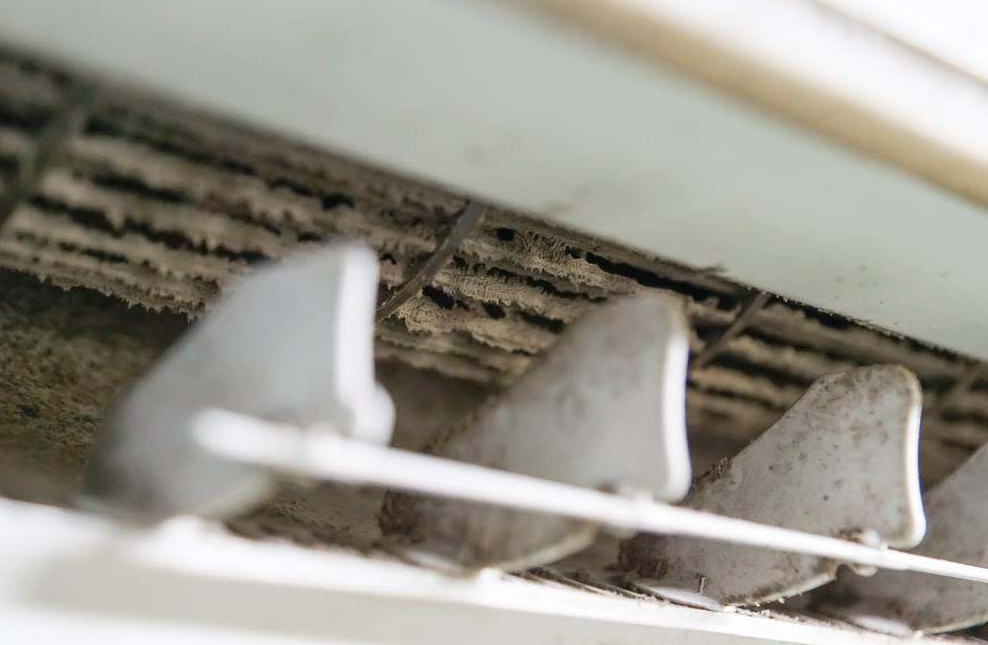
Air filters play a critical role in maintaining airflow and indoor air quality. When they become clogged with dust, pollen or debris, the system has to work harder to push air through, which can reduce cooling performance.
Over time, this restriction can lead to uneven temperatures and longer running cycles.
- Reduced airflow from vents
- Dust build-up visible on filters
- System taking longer to cool the room
- Increased energy usage
Regular cleaning or replacement of filters is one of the simplest ways to maintain system performance.
Refrigerant Issues
Refrigerant is essential for absorbing heat from indoor air and releasing it outside. If levels are too low or there is a leak, the system cannot cool effectively.
This type of issue is not always visible but can significantly impact performance.
- Air feels less cool than usual
- Ice forming on the indoor unit
- Hissing or bubbling sounds
- System running continuously without reaching the set temperature
Addressing refrigerant concerns typically requires inspection and repair rather than DIY solutions.
Incorrect Thermostat Settings
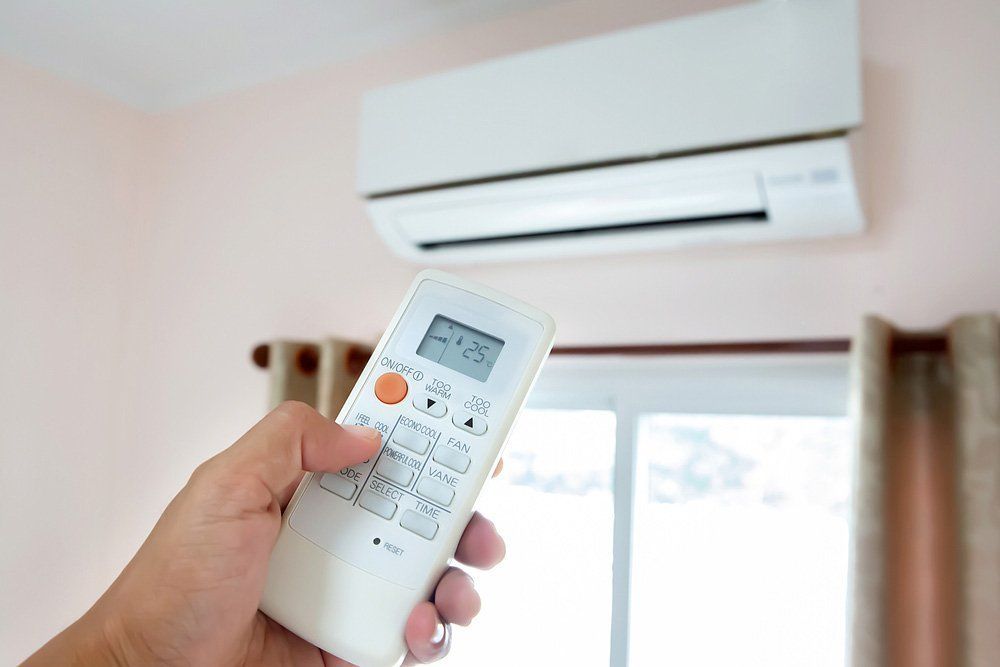
Sometimes the issue isn’t mechanical but relates to how the system is set. Incorrect thermostat settings can prevent the unit from reaching or maintaining the desired temperature.
This is often overlooked, particularly after seasonal changes or power interruptions.
- Thermostat set to fan instead of cooling mode
- Temperature set too high for the conditions
- Sensor placement affected by sunlight or heat sources
- Delayed response from the system
Checking and adjusting the thermostat can quickly restore normal operation in some cases.
Obstructed Outdoor Unit
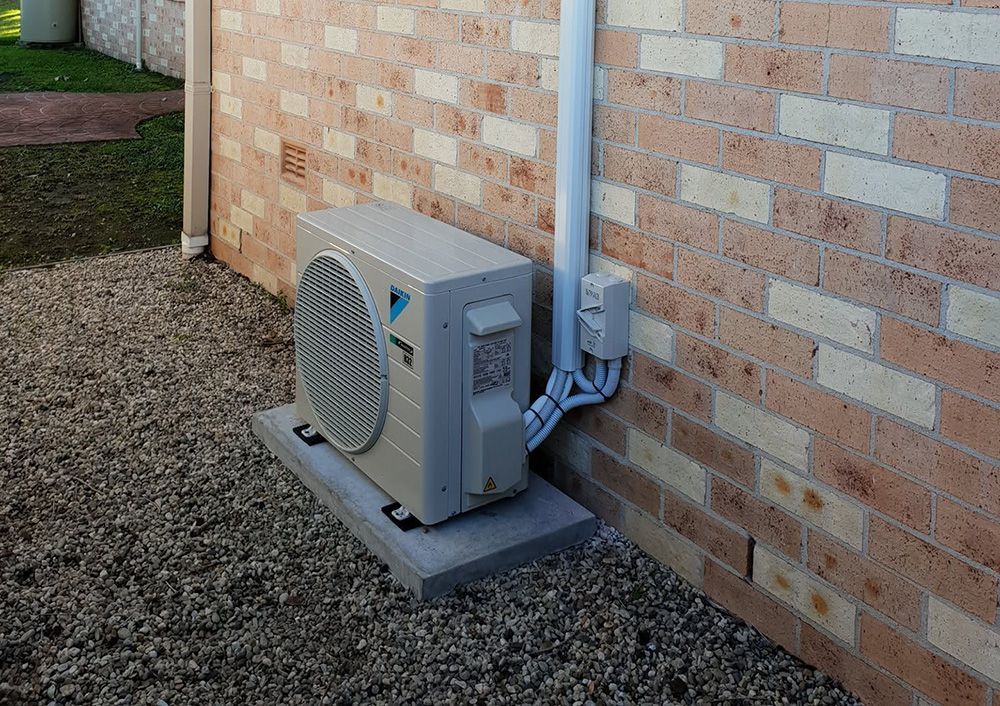
The outdoor condenser unit needs adequate airflow to release heat. If it becomes blocked by debris, vegetation or dirt, the system may struggle to cool effectively.
External conditions can have a noticeable impact on performance.
- Leaves, dirt or debris surrounding the unit
- Restricted airflow around the condenser
- Increased operating noise
- Reduced cooling output indoors
Keeping the outdoor unit clear can support consistent operation.
Ageing or Undersized System
Not all systems are suited to every space. If a unit is too small for the area or has been in use for many years, it may no longer provide adequate cooling.
As living spaces change, so do cooling requirements.
- Rooms not reaching the desired temperature
- System running constantly without improvement
- Increased wear & tear over time
- Outdated components affecting performance
In these situations, exploring options for air conditioning in Kiama can help determine whether a new single split system is more appropriate.
Electrical or Component Faults
Split systems rely on multiple electrical components working together. If one part fails or begins to wear out, it can affect the entire system’s ability to cool.
These issues may not always be obvious but can develop over time.
- Intermittent operation or system shutdowns
- Unusual noises from internal components
- Delayed start-up or inconsistent cooling
- Error codes on the display panel
Component faults often require inspection to identify the underlying cause.
Poor Installation or Setup
The way a system is installed can influence how well it performs. Incorrect positioning, inadequate insulation or improper sizing during installation can all contribute to cooling problems.
Even newer systems can be affected if installation details are not aligned with the space.
- Uneven cooling across different areas
- Air leaks or poor airflow distribution
- Indoor unit positioned in a less effective location
- Outdoor unit exposed to harsh conditions
Reviewing installation factors can provide insight into ongoing performance issues.
Lack of Routine Maintenance
Regular servicing helps identify small issues before they develop into larger problems. Without routine maintenance, dust, wear and minor faults can gradually reduce system efficiency.
Ongoing care supports consistent operation over time.
- Build-up of dirt in internal components
- Reduced airflow & cooling output
- Increased strain on system parts
- Shortened system lifespan
Maintenance can include cleaning, inspection and general system checks to keep everything functioning as expected.
The Impact of Environmental Factors
External conditions can also influence how well your split system performs, even when the unit itself is functioning as expected. Changes in weather, building design and insulation levels can all affect cooling efficiency.
Homes that are exposed to direct sunlight for extended periods may retain more heat, making it harder for the system to maintain a comfortable indoor temperature. Similarly, gaps in insulation or draughts around windows and doors can allow cool air to escape, placing additional demand on the unit.
- Heat entering through windows & roofing materials
- Poor insulation allowing temperature transfer
- Open doors or windows disrupting airflow
- High humidity levels affecting perceived cooling
These factors don’t necessarily indicate a fault with the system, but they can influence how it performs on a day-to-day basis. Addressing them where possible, such as improving insulation or minimising heat entry, can support more consistent cooling and reduce strain on the unit.
Taking a broader view of both the system and its environment can help create a more comfortable indoor space while also supporting the long-term operation of your air conditioning setup.
When to Seek Assistance
While some issues can be addressed with basic checks, others may require a closer look. Persistent cooling problems, unusual noises or visible damage are all signs that further attention may be needed.
Understanding the difference between minor maintenance and more complex faults can help guide your next steps.
Get in Touch
If your split system isn’t delivering the level of comfort you expect, it may be time to have it looked at more closely. At
Jervis Bay Air Conditioning, we can assist with servicing, troubleshooting and air conditioning installation in Kiama, helping you find a suitable solution for your space. With changing coastal conditions and seasonal humidity, having a system that performs reliably can make a noticeable difference.
Get in touch to discuss your options or to arrange an inspection.